
Facial Implants
What are facial implants?
Solid medical-grade materials inserted into the face to:
- Enhance or augment facial features
- Improve facial balance and definition
Most common implant areas:
- Cheeks
- Chin
- Jaw
Materials:
- Silicone (most common)
- Other synthetic materials
Why Get Facial Implants?
- Achieve a more defined facial structure
- Improve balance and proportion in the face
- Restore facial shape after trauma or surgery
- Address concerns about a weak chin, flat cheeks, or underdeveloped jaw
Considering Facial Implants?
- Consult with a board-certified plastic surgeon to discuss your goals and suitability.
- Understand the potential risks and recovery process.
- Explore non-surgical options like injectable fillers, which may be suitable depending on your desired outcome.
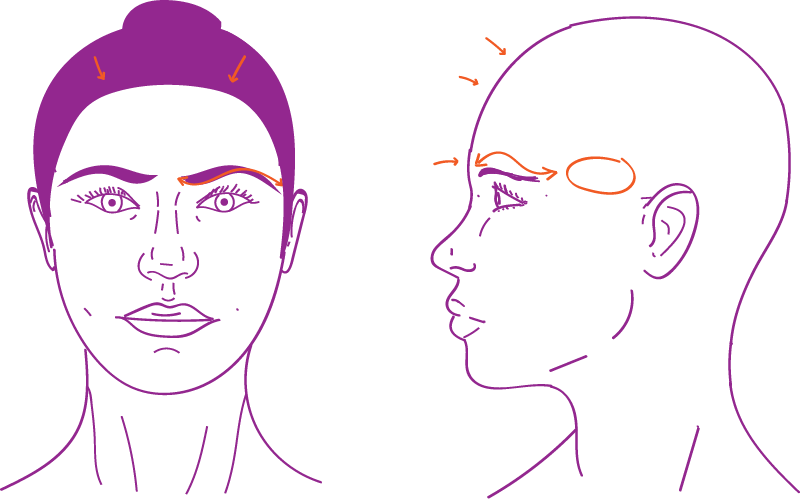
How is a facial implant procedure performed?
The Procedure:
- General anesthesia is typically used for comfort.
- Incisions are made strategically to minimize scarring, often inside the mouth, along the lower eyelid, or near the hairline.
- A pocket is created beneath the facial tissues to house the implant.
- The chosen implant is inserted and positioned for optimal results.
- The implant may be secured with sutures or screws.
- Incisions are closed with stitches that dissolve or are removed after a short period.
Recovery:
- Swelling, bruising, and discomfort are common after surgery.
- Painkillers are prescribed to manage discomfort.
- Limited activity and dietary restrictions might be recommended initially.
- Follow-up appointments are crucial to monitor healing and adjust dressings.
Facial Implant Options:
A variety of implant materials, shapes, and sizes are available to address different cosmetic concerns. Here’s a general overview:
Material:
- Silicone gel (most common) – Provides a natural feel and comes in various textures.
- Solid silicone – Offers good definition and projection.
- Other synthetic materials (less common)
Implant Type (based on area):
- Cheek implants: Enhance volume and definition in the cheeks. Available in various shapes and sizes to achieve desired fullness and projection.
- Chin implants: Increase chin projection and improve jawline definition. Implants come in different shapes to address specific concerns like a receding chin or a weak jawline.
- Jaw implants: Used to widen or define the jawline. Available in various shapes and sizes to achieve desired angularity or a broader jaw appearance.
How can I select a trustworthy surgeon?
When choosing an aesthetic plastic surgeon, it’s essential to consider the following factors:
Qualifications: Does the surgeon possess the necessary education, training, and certification?
Experience: Does the surgeon have extensive experience performing ear surgery?
Pediatric Experience: If the patient is a child, does the surgeon have experience operating on pediatric patients?
Results: Do you find the surgeon’s before-and-after photos satisfactory?
Comfort Level: Are you comfortable with the surgeon and their approach to your procedure?
Membership: Is the surgeon a member of The Aesthetic Society?
After finding a board-certified plastic surgeon with significant experience in ear surgery, you’ll need to schedule a consultation.
What to expect during a consultation?
Typically, there may be a consultation fee due to the comprehensive nature of the appointment. During the consultation, you’ll have the opportunity to discuss your aesthetic goals. The surgeon will assess your suitability for ear surgery and evaluate the shape, size, and position of your ears. They may also take photographs for further analysis. Be prepared to provide your complete medical history, including past surgeries, medical conditions, allergies, and current medications.
Questions to ask your surgeon: It’s crucial to be proactive during your consultation. Here are some questions to consider asking:
- Am I a suitable candidate for ear surgery?
- Are my desired outcomes realistic?
- Can I see before-and-after photos of previous ear surgeries?
- How many ear surgeries have you performed?
- Which surgical approach is best suited to my needs?
- Where will the incisions be made, and will they be visible?
- What type of anesthesia do you recommend?
- What is the expected cost of the procedure?
- What can I do to ensure optimal results?
- What is the anticipated recovery period?
- What are the potential risks and complications?
After the consultation: Following the consultation, your surgeon will provide personalized recommendations and information, including:
- Proposed surgical approach
- Expected outcomes
- Financial considerations
- Risks and complications
- Anesthesia options
- Preoperative preparation
- Postoperative care instructions
- Similar case studies
- Answers to any additional questions
With thorough research and consultation, you’ll be equipped to make an informed decision regarding your surgery and surgeon. If uncertainties persist, don’t hesitate to seek further clarification or explore consultations with other surgeons.
How do I prepare for facial implants?
Facial implant surgery requires preparation to ensure a smooth procedure and recovery. Here’s a breakdown of what to expect:
Weeks Before Surgery:
Consultation: Discuss your goals, medical history, and medications with your surgeon. They’ll assess your candidacy, explain the procedure details, and answer your questions.
Medical Clearance: You may need lab tests or a medical evaluation to ensure you’re healthy enough for surgery.
Medication Adjustments: Certain medications, like blood thinners or aspirin, may need to be stopped beforehand to minimize bleeding risks.
Stop Smoking: Smoking constricts blood vessels and hinders healing. Quitting well in advance is crucial.
Healthy Habits: Maintain a healthy diet and stay hydrated to optimize your body’s healing ability.
Arrange Help: Plan for someone to drive you home after surgery and assist you during initial recovery.
Prepare Your Home: Stock up on soft foods, pain medication (as prescribed by your surgeon), and ice packs.
The Day of Surgery:
Fasting: You’ll likely be instructed to avoid eating or drinking anything after midnight.
Arrival: Arrive at the surgical facility as directed, prepared to change into a surgical gown.
Pre-operative Markings: Your surgeon may mark the implant placement sites on your face.
Anesthesia: You’ll receive general anesthesia to ensure comfort throughout the procedure.
The Surgery: The surgeon performs the implant placement based on the chosen type and technique. This typically takes a few hours.
Recovery: After surgery, you’ll be monitored in a recovery room before being discharged home or to an overnight facility.
How long does it take to recover from a facial implant procedure?
Immediately After Surgery:
- Swelling and Bruising: Expect significant swelling and bruising around the implant site(s), peaking within the first 2-3 days.
- Discomfort: Pain is manageable with medication prescribed by your surgeon.
First Two Weeks:
- Gradual Improvement: Swelling and bruising begin to subside, though some puffiness may persist.
- Discomfort Lessens: Pain medication needs should decrease as healing progresses.
- Dietary Restrictions: You may be advised to start with a soft diet and gradually return to regular foods.
- Rest and Limited Activity: Plenty of rest and limited physical activity are essential for optimal healing.
- Follow-up Appointments: You’ll likely have follow-up appointments with your surgeon to monitor progress and remove stitches.
Two to Six Weeks:
- Continued Improvement: Swelling and bruising should be mostly resolved, allowing you to see a clearer picture of your final results.
- Reduced Restrictions: You may be gradually cleared to resume more strenuous activities, but strenuous exercise may still be restricted.
- Numbness: Numbness around the incision sites is common and gradually improves over weeks or months.
Six Weeks and Beyond:
- Gradual Refinement: It can take several months for the final implant integration and settling to occur. During this time, swelling may completely disappear, and your facial tissues adjust to the implants.
- Final Results: By the six-month mark, most swelling should be gone, and you can appreciate the full aesthetic improvement of your facial implants.
How long will my facial implant results last?
Facial implants are designed for long-lasting results, with some key factors influencing their longevity:
Material: Silicone gel implants are the most common and considered practically permanent.
Placement and Technique: Proper implant placement and surgical technique contribute to their stability and longevity.
Individual Factors: Your age, skin elasticity, and lifestyle habits can influence how well your implants maintain their position over time.
Here’s a general idea of what to expect:
Facial implants are generally considered permanent. Unlike injectable fillers that require periodic touch-ups, facial implants are designed to provide a long-term solution.
However, subtle changes can occur over time. Factors like facial structure changes due to aging, weight fluctuations, or sun damage can influence the appearance of your implants.
Revision surgery may be considered in some cases. If significant changes occur, or if you’re unhappy with the initial results, you may consult your surgeon about revision surgery to adjust or replace the implants.
What type of facial implant incisions are there?
For Cheek Implants:
Intraoral Incision: This is the most common approach for cheek implants. The incision is made inside the upper lip, minimizing external scarring.
Lower Eyelid Incision: In some cases, cheek implants may be inserted through an incision within the lower eyelid, particularly during blepharoplasty (eyelid lift) surgery.
For Chin Implants:
Submental Incision: This incision is placed under the chin, hidden within the natural crease.
Intraoral Incision: Similar to cheek implants, an incision inside the lower lip can be used for chin implant placement. This approach is less common but offers better scar concealment.
For Jaw Implants:
- Intraoral Incision: This is the preferred approach for jaw implants, often made along the gum line near the back teeth.
Endoscopic Techniques:
- Minimally invasive techniques utilizing smaller incisions are becoming increasingly popular for certain facial implant placements. These incisions may be hidden within the hairline or near the existing incision sites depending on the procedure.
What are the risks associated with Facial Implants surgery?
Anesthesia Risks: As with any surgery requiring anesthesia, there are potential risks of allergic reaction, breathing problems, and interactions with medications.
Bleeding and Infection: These are potential complications of any surgical procedure. While uncommon, bleeding and infection can occur around the incision sites.
Hematoma: A collection of blood under the skin that may require removal by your surgeon.
Facial Nerve Injury: Facial nerves control movement and sensation in your face. Injury to these nerves can cause temporary or permanent weakness, numbness, or twitching.
Implant Malposition: The implant may not be positioned correctly, leading to asymmetry or an unnatural appearance. Revision surgery may be necessary for correction.
Implant Movement or Migration: Over time, the implant may shift from its initial placement. This can cause asymmetry or require additional surgery for repositioning.
Implant Extrusion: In rare cases, the implant may push through the overlying skin or tissue, becoming visible or causing discomfort. Removal or replacement surgery may be needed.
Scarring: While uncommon, unfavorable scarring can develop around the incision sites.
Difficulty Closing Eyes Completely (Ectropion): This may occur with lower eyelid incisions and may require additional surgery to correct.
Persistent Pain: Some people may experience chronic pain or discomfort after surgery.
Allergic Reaction to Implant Material: Although rare, allergic reactions to silicone implants can occur.
Source: Information adapted from theaestheticsociety.org
