
Eyelid Surgery
What is involved in Eyelid surgery?
Eyelid surgery, also known as blepharoplasty, is a cosmetic procedure aimed at tightening and elevating drooping eyelid skin.
Why Consider Eyelid Surgery?
Eyelid surgery may be a suitable option if you experience any of the following: excess skin on the eyelids, drooping skin obscuring the eyelashes, swollen eyelids, dark circles or bags under the eyes, or a tired and aged appearance of the eyes.
Listed below are some advantages of eyelid surgery:
- Reduction of upper eyelid puffiness or lower eyelid bags
- Improved visual field for those with drooping eyelids
- Enhanced youthful and rested appearance Boost in self-esteem and self-image
- What Factors Should I Consider Before Opting for Eyelid Surgery? It’s essential to consult with your certified aesthetic plastic surgeon for personalized guidance.
Maintaining good overall health is crucial. Expect bruising, swelling, and potential dryness and itchiness post-procedure. Results may take time to fully manifest. For individuals with drooping eyebrows or forehead creases, combining eyelid surgery with a brow lift may be beneficial. Typical recovery duration is approximately two weeks
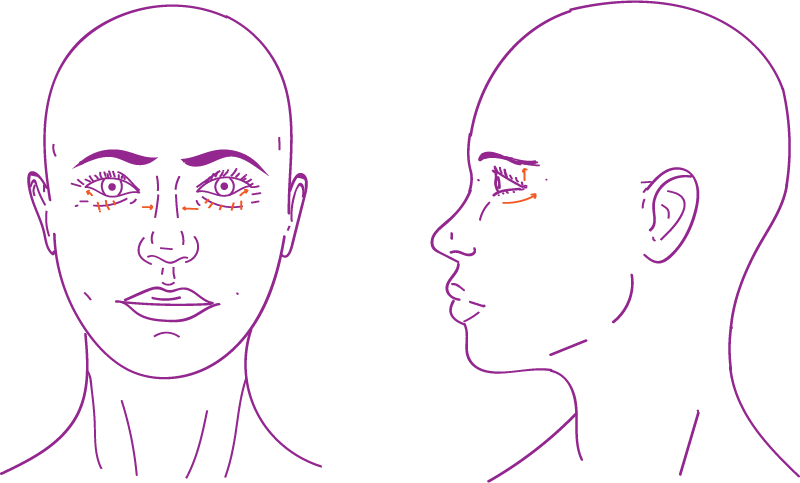
How is it perfomed?
Typically, eyelid surgery (known as blepharoplasty) is performed as an outpatient procedure. The surgeon evaluates various factors such as facial muscle structure, bone structure, and eyebrow symmetry to determine the extent of skin, muscle, and fat removal or repositioning required on the upper and/or lower eyelids.
During the procedure, the surgeon marks the areas for tissue removal on the eyelids and makes incisions using surgical instruments like scalpels, scissors, radiofrequency cutting devices, or lasers. Additional adjustments may be made to address specific concerns such as muscle laxity. Sutures or tissue adhesives are applied to refine and reshape the eyebrow and eyelid areas. Dissolving sutures, if used, are barely noticeable, while removable sutures on the skin surface are typically taken out a few days post-surgery, leaving minimal scarring.
For individuals with dry eyes, less tissue may be removed to prevent exacerbating symptoms.
Eyelid surgery options include:
Upper Eyelid Surgery: Recommended for excess skin covering the natural eyelid fold, drooping skin over the eyelashes, or puffy eyelids. The surgeon administers local anesthesia, makes incisions within the natural upper eyelid fold, and removes excess skin, muscle, and fat. Laser or peel treatments may also be utilized for skin resurfacing and wrinkle reduction.
Lower Eyelid Surgery: Beneficial for bags, puffiness, or deep grooves beneath the eyes. Different approaches may be employed:
- Traditional approach: Incision below the eyelashes to trim excess skin and fat, and tighten the lower eyelid muscle.
- Transconjunctival approach: Incision inside the eyelid to remove excess fat without skin removal. Laser treatment may accompany this method for lower eyelid skin tightening.
- ‘Skin pinch’ blepharoplasty: Minimal skin removal, suitable for patients with adequate lower eyelid support.
- Hyaluronic acid (HA) fillers: Non-surgical option for under-eye rejuvenation, involving injectable fillers like Restylane or Juvéderm into the tear trough area.
Combined Upper and Lower Eyelid Surgery: Recommended for individuals with issues in both upper and lower eyelids. Additionally, a brow lift or facelift may be suggested for optimal results in some cases
How can I select a trustworthy surgeon?
When choosing an aesthetic plastic surgeon, it’s essential to consider the following factors:
Qualifications: Does the surgeon possess the necessary education, training, and certification?
Experience: Does the surgeon have extensive experience performing ear surgery?
Pediatric Experience: If the patient is a child, does the surgeon have experience operating on pediatric patients?
Results: Do you find the surgeon’s before-and-after photos satisfactory?
Comfort Level: Are you comfortable with the surgeon and their approach to your procedure?
Membership: Is the surgeon a member of The Aesthetic Society?
After finding a board-certified plastic surgeon with significant experience in ear surgery, you’ll need to schedule a consultation.
What to expect during a consultation?
Typically, there may be a consultation fee due to the comprehensive nature of the appointment. During the consultation, you’ll have the opportunity to discuss your aesthetic goals. The surgeon will assess your suitability for ear surgery and evaluate the shape, size, and position of your ears. They may also take photographs for further analysis. Be prepared to provide your complete medical history, including past surgeries, medical conditions, allergies, and current medications.
Questions to ask your surgeon: It’s crucial to be proactive during your consultation. Here are some questions to consider asking:
- Am I a suitable candidate for ear surgery?
- Are my desired outcomes realistic?
- Can I see before-and-after photos of previous ear surgeries?
- How many ear surgeries have you performed?
- Which surgical approach is best suited to my needs?
- Where will the incisions be made, and will they be visible?
- What type of anesthesia do you recommend?
- What is the expected cost of the procedure?
- What can I do to ensure optimal results?
- What is the anticipated recovery period?
- What are the potential risks and complications?
After the consultation: Following the consultation, your surgeon will provide personalized recommendations and information, including:
- Proposed surgical approach
- Expected outcomes
- Financial considerations
- Risks and complications
- Anesthesia options
- Preoperative preparation
- Postoperative care instructions
- Similar case studies
- Answers to any additional questions
With thorough research and consultation, you’ll be equipped to make an informed decision regarding your surgery and surgeon. If uncertainties persist, don’t hesitate to seek further clarification or explore consultations with other surgeons.
How should I prepare for Eyelid surgery?
Consultation with Your Surgeon:
- Schedule a consultation with your chosen surgeon to discuss your goals, medical history, and expectations from the procedure.
- During this consultation, your surgeon will evaluate your candidacy for eyelid surgery, examine your eyelids, and provide personalized recommendations.
Medical Evaluation:
- Undergo a thorough medical evaluation, including a review of your medical history and any current medications or supplements you are taking.
- Be prepared to disclose any pre-existing medical conditions, allergies, or previous surgeries to your surgeon.
Follow Pre-Surgery Instructions:
- Adhere to any specific instructions provided by your surgeon regarding pre-operative preparation.
- This may include guidelines on dietary restrictions, alcohol consumption, smoking cessation, and adjustments to current medications.
Arrange Transportation and Support:
- Plan for transportation to and from the surgical facility on the day of the procedure, as you may not be able to drive yourself home post-surgery.
- Arrange for a responsible adult to accompany you to the surgery center and stay with you for the initial recovery period.
Arrange Post-Operative Care:
- Arrange for someone to assist you with daily activities, such as cooking, cleaning, and childcare, during the initial recovery phase.
- Stock up on essential supplies, medications, and recommended post-operative care items as advised by your surgeon.
Prepare Your Home:
- Create a comfortable and conducive environment for recovery at home.
- Set up a designated recovery area with ample pillows, blankets, and entertainment options to keep you comfortable and occupied.
Plan for Time Off Work:
- Depending on the extent of the procedure and individual recovery rates, plan to take time off work or other obligations to allow for adequate rest and healing.
- Discuss the expected recovery timeline with your surgeon to make appropriate arrangements.
Follow Fasting Guidelines:
- Adhere to fasting guidelines provided by your surgeon, typically requiring you to refrain from eating or drinking anything (including water) for a specified period before the surgery.
Communicate with Your Surgeon:
- Maintain open communication with your surgeon and their team leading up to the surgery date.
- Address any concerns or questions you may have about the procedure or recovery process.
Stay Positive and Relaxed:
- Prioritize self-care and stress management techniques in the days leading up to the surgery.
- Practice relaxation techniques, such as deep breathing exercises or meditation, to help alleviate any pre-surgery anxiety or nervousness.
How long is the recovery period for Eyelid surgery?
First 24 Hours:
Immediate Post-Op Care:
- Upon completion of the surgery, you will likely spend some time in a recovery room under observation.
- Your ears may be wrapped in a protective bandage or dressing to minimize swelling and support the newly shaped cartilage.
Discomfort and Pain Management:
- It’s normal to experience some discomfort, pain, or throbbing in the ears during the first 24 hours.
- Your surgeon may prescribe pain medication or recommend over-the-counter pain relievers to manage any discomfort.
Rest and Recovery:
- Rest is essential during the initial recovery period. Try to keep your head elevated and avoid any strenuous activities.
- Avoid touching or manipulating the surgical site to prevent disruption of the healing process.
Swelling and Bruising:
- Swelling and bruising around the ears are common immediately after surgery and may peak within the first 24 to 48 hours.
- Applying cold compresses intermittently can help reduce swelling and alleviate discomfort.
Follow-Up Appointment:
- You may have a follow-up appointment scheduled within the first few days post-surgery to monitor your healing progress and remove any dressings or sutures.
Two Weeks Post-Surgery:
Reduced Swelling and Discomfort:
- By the end of the first week and into the second week, swelling and discomfort should gradually subside.
- You may notice improvements in the appearance of your ears as swelling diminishes.
Resumption of Normal Activities:
- Most individuals can typically resume light activities and return to work or school within a week to 10 days after surgery.
- Avoid engaging in strenuous exercises or activities that may put pressure on the ears until cleared by your surgeon.
Scar Healing:
- Any incisions made during the surgery will continue to heal over the following weeks.
- Your surgeon may provide instructions on scar care and recommend topical treatments to promote optimal healing.
Final Results:
- While significant improvements may be visible within the first few weeks, final results may take several months to fully manifest as swelling resolves and tissues settle into their new shape.
Follow-Up Visits:
- Continue attending follow-up appointments as scheduled to ensure proper healing and address any concerns or questions with your surgeon.
Results
The outcomes of blepharoplasty are expected to be enduring, often requiring only one-time intervention for both upper and lower eyelids. Nevertheless, the ongoing natural aging process may gradually impact these results. Following upper eyelid surgery, aging may lead to brow descent and the reappearance of excess skin on the upper eyelid. In such instances, surgeons commonly advise considering a brow lift procedure rather than undergoing a repeat eyelid surgery.
What types of incisions are used in brow lift procedures?
Upper eyelid: Incision placed within the natural crease to hide the scar [American Society of Plastic Surgeons].
Lower eyelid:
- External incision (transcutaneous): Below the lashline for access to muscles, skin, and fat. [Potomac Plastic Surgery]
- Internal incision (transconjunctival): Inside the lower eyelid, good for fat removal without skin removal. [Potomac Plastic Surgery]
What are the potential hazards associated with Eyelid surgery?
Understanding the Risks
Anesthesia Risks: Like any surgery requiring anesthesia, there are potential risks of allergic reactions, breathing problems, and interactions with medications.
Bleeding and Infection: Bleeding and infection are potential complications of any surgical procedure. While uncommon, they can occur around the incision sites.
Vision Changes: Temporary blurred or double vision is possible after surgery, usually resolving within a few days. In rare cases, more serious vision problems, including permanent vision loss, can occur.
Eyelid Malposition: Incorrect eyelid positioning can occur, such as difficulty closing your eyelids completely (ectropion) or a lower eyelid appearing pulled down (lagophthalmos). This may require additional surgery to correct.
Dry Eyes: Eyelid surgery can temporarily or permanently worsen dry eye symptoms.
Scarring: While uncommon, unfavorable scarring can occur.
Changes in Sensation: Numbness around the incision sites or changes in eyelash sensation are possible.
Remember, this is not an exhaustive list. A consultation with a qualified ophthalmic plastic surgeon is crucial to discuss your individual risk factors and receive a personalized assessment.
Making an Informed Decision
Eyelid surgery can be a successful procedure for many people. However, by understanding the potential risks, you can weigh them against the desired benefits and make an informed decision. Here are some additional tips:
Choose a board-certified ophthalmic plastic surgeon. These surgeons have specialized training and experience in eyelid surgery.
Discuss your expectations and concerns openly with your surgeon. Ask detailed questions about the procedure, risks, and recovery process.
Be realistic about the results. Eyelid surgery cannot stop the aging process, but it can improve your appearance for several years.
Source: Information adapted from theaestheticsociety.org
