
Nose Surgery
What is nose surgery?
Nose surgery, medically known as rhinoplasty, is a surgical procedure that reshapes the nose for aesthetic or functional reasons. It can address concerns like:
- Nose size (large or small)
- Bridge bump
- Wide or drooping tip
- Nostril shape or size
- Deviated septum (improving breathing)
Types of Nose Surgery:
- Open rhinoplasty: Incisions are made across the columella (the tissue separating the nostrils) for broader access and visibility.
- Closed rhinoplasty: Incisions are hidden inside the nostrils for minimal external scarring.
Who is a Candidate?
Ideal candidates for nose surgery are generally in good overall health, have realistic expectations, and are seeking improvement in either the appearance or function of their nose.
How is a nose surgery procedure performed?
Nose surgery, or rhinoplasty, is a meticulous procedure tailored to your specific concerns. Here’s a general overview of the steps involved:
Preparation:
- Anesthesia: Local anesthesia with sedation or general anesthesia is used, depending on the complexity of the surgery.
- Incisions: The surgeon makes incisions strategically placed to minimize scarring. In open rhinoplasty, an incision is made across the columella (the strip of tissue separating the nostrils) for broader access. Closed rhinoplasty uses incisions hidden inside the nostrils.
Reshaping the Nose:
- Once access is achieved, the surgeon carefully separates the skin from the underlying bone and cartilage structures.
- Bone or cartilage is then sculpted, reshaped, or repositioned as needed to achieve the desired outcome. This may involve trimming a hump, narrowing the bridge, refining the tip, or adjusting the nostrils.
- Septoplasty may be performed alongside rhinoplasty to correct a deviated septum, improving breathing function.
Completion:
- After sculpting the underlying structures, the reshaped nose is meticulously reassembled.
- Skin is redraped smoothly over the new framework.
- Incisions are closed with sutures or skin adhesives.
- Splints or dressings may be applied to support and stabilize the new shape during healing.
Recovery:
- Expect swelling, bruising, and discomfort for the first few days after surgery. Pain medication can help manage discomfort.
- Swelling and bruising gradually subside over the following weeks.
- Splints or dressings are typically removed within a few days.
- Avoid strenuous activity for several weeks to allow for proper healing.
- Follow-up appointments are crucial to monitor progress and remove stitches.
How can I select a trustworthy surgeon?
When choosing an aesthetic plastic surgeon, it’s essential to consider the following factors:
Qualifications: Does the surgeon possess the necessary education, training, and certification?
Experience: Does the surgeon have extensive experience performing ear surgery?
Pediatric Experience: If the patient is a child, does the surgeon have experience operating on pediatric patients?
Results: Do you find the surgeon’s before-and-after photos satisfactory?
Comfort Level: Are you comfortable with the surgeon and their approach to your procedure?
Membership: Is the surgeon a member of The Aesthetic Society?
After finding a board-certified plastic surgeon with significant experience in ear surgery, you’ll need to schedule a consultation.
What to expect during a consultation?
Typically, there may be a consultation fee due to the comprehensive nature of the appointment. During the consultation, you’ll have the opportunity to discuss your aesthetic goals. The surgeon will assess your suitability for ear surgery and evaluate the shape, size, and position of your ears. They may also take photographs for further analysis. Be prepared to provide your complete medical history, including past surgeries, medical conditions, allergies, and current medications.
Questions to ask your surgeon: It’s crucial to be proactive during your consultation. Here are some questions to consider asking:
- Am I a suitable candidate for ear surgery?
- Are my desired outcomes realistic?
- Can I see before-and-after photos of previous ear surgeries?
- How many ear surgeries have you performed?
- Which surgical approach is best suited to my needs?
- Where will the incisions be made, and will they be visible?
- What type of anesthesia do you recommend?
- What is the expected cost of the procedure?
- What can I do to ensure optimal results?
- What is the anticipated recovery period?
- What are the potential risks and complications?
After the consultation: Following the consultation, your surgeon will provide personalized recommendations and information, including:
- Proposed surgical approach
- Expected outcomes
- Financial considerations
- Risks and complications
- Anesthesia options
- Preoperative preparation
- Postoperative care instructions
- Similar case studies
- Answers to any additional questions
With thorough research and consultation, you’ll be equipped to make an informed decision regarding your surgery and surgeon. If uncertainties persist, don’t hesitate to seek further clarification or explore consultations with other surgeons.
How do I prepare for rhinoplasty surgery?
Pre-operative Consultation:
- This is key. Discuss your desired outcome, medical history, and any medications or supplements you take with your board-certified facial plastic surgeon.
- Be clear about your concerns and expectations.
- The surgeon will assess your suitability for surgery, explain the procedure in detail, outline potential risks and benefits, and show you before-and-after photos of similar cases (with patient consent).
Medical Clearance:
- You may need lab tests or a medical evaluation from your primary doctor to ensure you’re healthy enough for surgery.
- Discuss any pre-existing medical conditions or concerns with your surgeon.
Medication Adjustments:
- Your doctor will likely advise you to stop certain medications or supplements that can increase bleeding risk, such as blood thinners or aspirin, for a specific period before surgery.
- Quitting smoking well in advance (ideally several weeks before surgery) is crucial. Smoking hinders healing and increases surgical risks.
Lifestyle Habits:
- Maintain a healthy diet rich in fruits, vegetables, and whole grains to optimize your body’s healing ability.
- Stay hydrated by drinking plenty of water.
- Avoid strenuous activity for a week or two before surgery as instructed by your doctor.
Preparing for Recovery:
- Stock up on soft foods and pain medication (as prescribed by your surgeon) for the initial recovery period.
- Arrange for someone to drive you home after surgery and help you with daily activities for the first few days.
- Prepare loose-fitting clothing that buttons up the front, as this will be easier to manage after surgery.
Day Before Surgery:
- Follow your surgeon’s specific instructions regarding fasting (avoiding food and drink) before surgery.
How long does it take to recover from rhinoplasty surgery?
Rhinoplasty recovery takes time and patience, but the results can be transformative. Here’s a quick rundown of the recovery timeline:
- Initial Recovery (First Week): Expect swelling, bruising, and discomfort. Pain medication helps manage discomfort. Splints are applied to stabilize the new shape.
- Gradual Improvement (Weeks 2-6): Swelling and bruising subside. Splints are removed. Avoid strenuous activity.
- Long-Term Recovery (Months 1-12): Continued improvement in swelling and refinement. Final results become evident within 3-6 months. Scars mature and fade (up to a year).
How long will my nose surgery results last?
The results of your rhinoplasty surgery are generally considered permanent. Once the bone and cartilage structures of your nose are sculpted and reshaped, they maintain their new form. However, there are some important points to consider:
- Aging: While the underlying structure remains altered, the skin over your nose will continue to age naturally. This can cause subtle changes in appearance over time.
- External Trauma: A significant impact to your nose could potentially alter its shape.
If you maintain a healthy lifestyle and avoid injuries to your nose, you can expect to enjoy your rhinoplasty results for a lifetime.
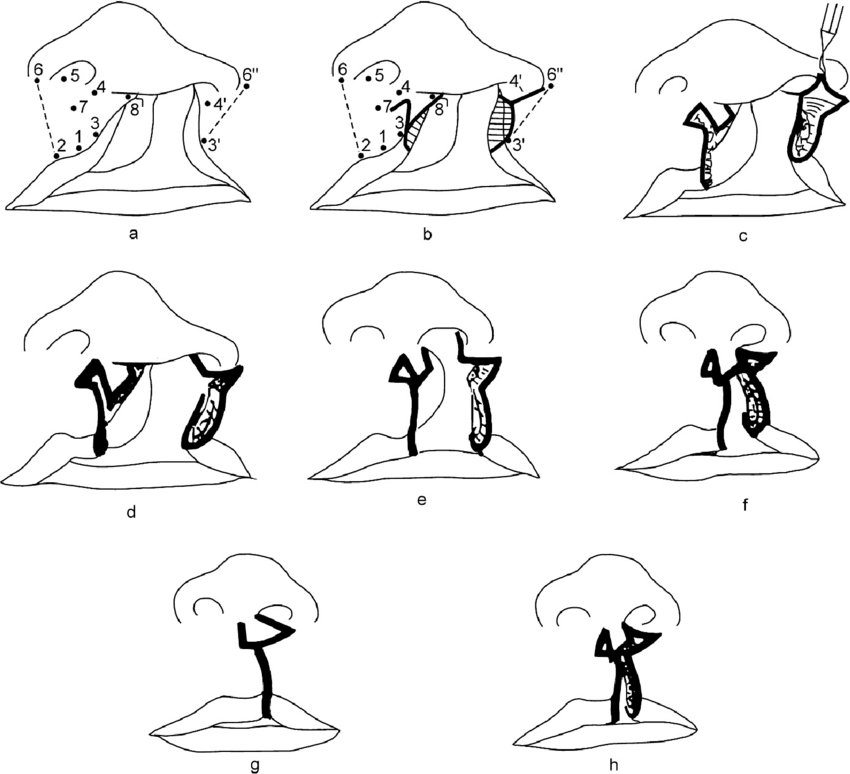
What type of nose surgery incisions are there?
In nose surgery (rhinoplasty), there are two main incision types, strategically chosen to minimize scarring:
Open Rhinoplasty Incision: This approach involves an incision made across the columella (the small strip of tissue separating your nostrils). It provides broader access for more intricate sculpting of the bone and cartilage.
Closed Rhinoplasty Incision: Here, incisions are hidden entirely inside the nostrils. This offers a scar-minimizing approach but may limit the surgeon’s visibility for complex reshaping.
What risks are there with rhinoplasty surgery?
Rhinoplasty, like any surgery, carries inherent risks. Here’s a concise rundown of some potential complications:
- Bleeding and Infection: These are general surgical risks.
- Anesthesia Reactions: Possible allergic reactions or breathing problems.
- Difficulty Breathing: Temporary or permanent, depending on the severity.
- Numbness: Temporary numbness in or around the nose is common, but long-term numbness is uncommon.
- Unfavorable Scarring: Uncommon, but possible.
- Asymmetry: Results may not be perfectly symmetrical, potentially requiring revision surgery.
- Septal Perforation: A hole in the septum (wall separating nostrils) can develop in rare cases.
- Persistent Pain: Discomfort after surgery is possible but uncommon.
Source: Information adapted from theaestheticsociety.org
